
Lack of adequate housing affects millions of people worldwide and demands swift, compassionate responses. In this complex reality, an innovative emergency solution provides portable shelter and weather protection, delivering temporary relief while safeguarding individual dignity.
How did the Backpack Bed initiative begin?
Created in Australia by Tony and Lisa Clark, the Backpack Bed was developed for people unable to secure a place within the shelter system. The project aims to ease urban hardship by providing a portable bed that can save lives during periods of extreme social vulnerability.
The initiative recognises that permanent housing must be the foremost aim of every humanitarian public policy. However, while structural solutions do not reach everyone, this alternative serves as an essential physical barrier against harsh weather and situations of collective abandonment.
How do noble estates fund social housing?
Funds generated by historic properties are being directed towards building new homes and supporting vulnerable families… Read more
How does the structure work in practice?
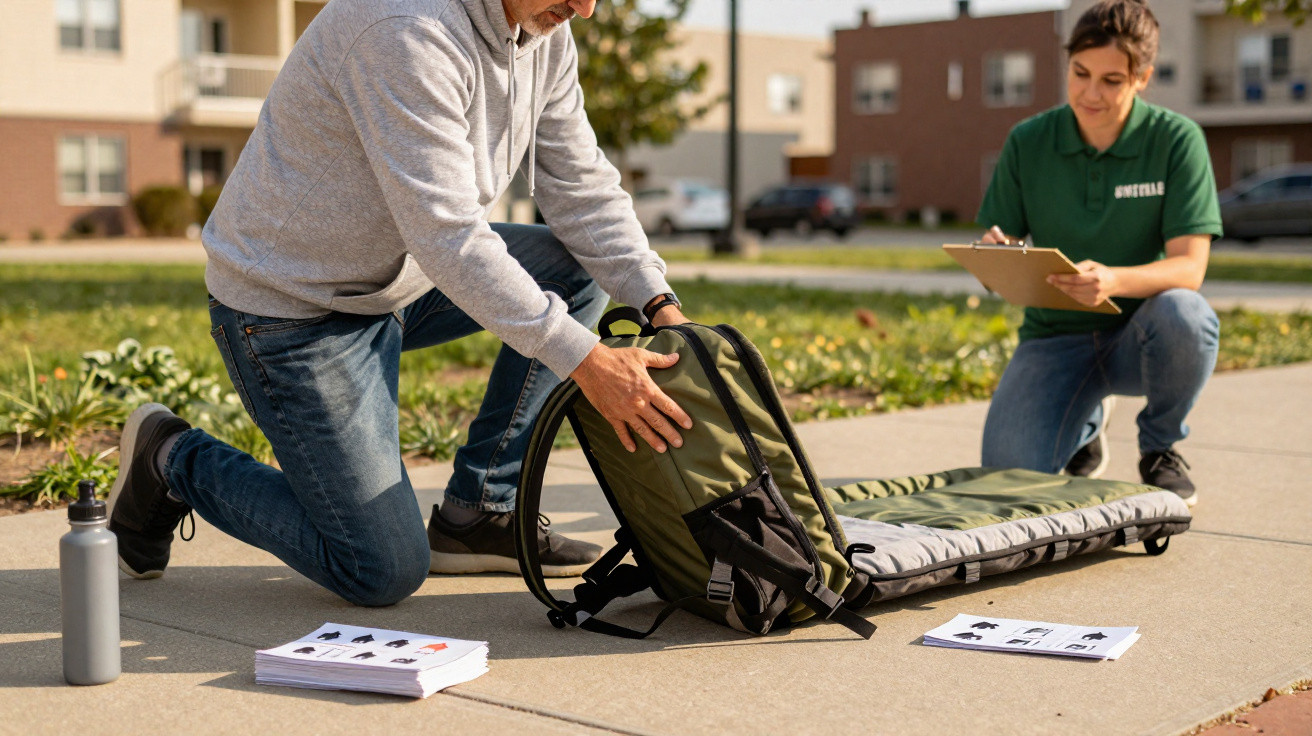
Weighing approximately three kilograms, the equipment was designed to be carried easily throughout daily life. Once unfolded, it quickly becomes a secure individual space for sleeping at night, providing basic comfort and practicality during everyday journeys around the city.
The system includes practical compartments for safely storing personal belongings while its user sleeps. As well as enabling more peaceful rest, the resource protects the individual’s autonomy and counters the strain caused by the hostility of the outside environment.
Below is a video from the Backpack Bed for Homeless YouTube channel that explores the points discussed in this subject in greater depth:
Which elements make up the Backpack Bed design?
The backpack is made from waterproof, hard-wearing fabric that prevents moisture, rain and wind from getting through. This robust outer layer works alongside an integrated mattress, providing vital thermal insulation to maintain warmth and protect health on cold nights.
Another important feature of the project is the built-in mosquito net, which stops insects that carry disease from entering. The product’s engineering combines lightweight, durable materials, turning the refuge into an effective and highly functional shelter for everyday use.
Backpack features
Main components
These elements provide immediate protection and functionality:
- Integrated mattress and thermal insulation;
- Waterproof fabric against wind and rain;
- Mosquito net and pockets for belongings.
Why does temporary shelter make a difference?
Constant exposure to severe weather harms the physical and psychological wellbeing of people without housing. Having immediate protection lowers the risk of hypothermia and respiratory infections, acting as vital support that limits serious harm and restores hope on the streets.
As well as protecting the body, the equipment offers crucial privacy within a shared public setting. This protective barrier reduces social vulnerability and allows restorative sleep, an indispensable factor in helping an individual regain energy and pursue opportunities for community reintegration.
The practical benefits provided by this emergency equipment include key factors:
- Immediate reduction in exposure to severe cold and damp;
- Secure storage of belongings in internal compartments;
- A greater sense of dignity and personal privacy.
What is the social impact of this innovation?
The initiative shows how humanitarian design can produce practical responses to urgent challenges in contemporary society. Without replacing permanent housing programmes, the project plays a relevant part in immediate assistance, creating bridges of care and respect that strengthen solidarity between communities.
Solutions developed with empathy demonstrate that small technological interventions can tangibly change difficult realities. Valuing ideas dedicated to protecting people experiencing homelessness reinforces collective citizenship, inspiring new humanitarian practices focused on providing support to those who need it most.




Comments
No comments yet. Be the first to comment!
Leave a Comment