
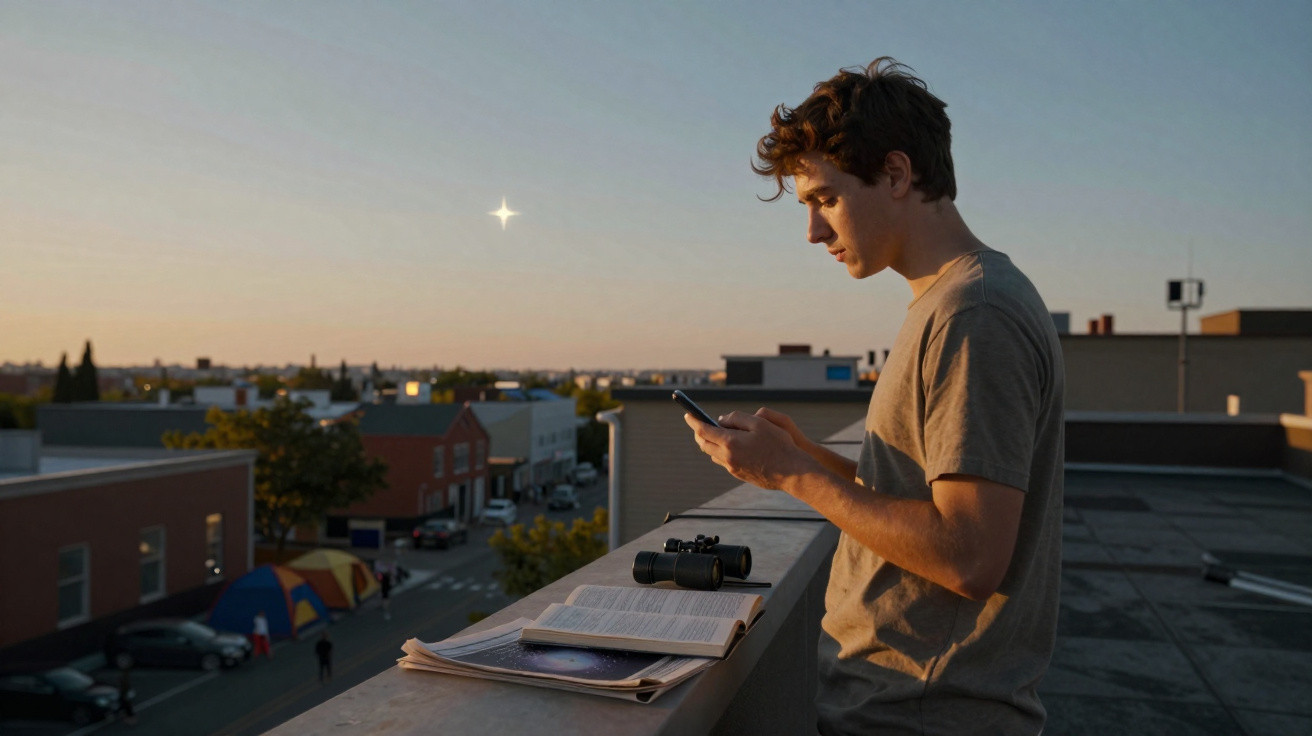
Push notifications, breaking-news banners and enthusiastic threads from people struggling with tripods on cold balconies appeared everywhere. Television presenters beamed at the camera, promising a “once-in-a-lifetime celestial show”, while a red ticker moved discreetly across the bottom of the screen: airstrike, flood, factory redundancies. None of that came with the sound of fireworks.
In the street, several neighbours craned their necks upwards, holding up phones to capture a hazy slice of sky between two blocks of flats. One person joked about making a wish on a “space explosion”. Another quietly said they still had not paid their electricity bill.
Then the news van drove off. The cameras faced elsewhere. The nova continued to blaze, majestic and unconcerned. It also left a question that resists a tidy headline.
Why a distant nova can trend while nearby suffering is scrolled past
Set the excitement aside for a moment and consider the contrast. Astronomers host live streams, institutions issue polished press releases, and headlines shout about “cosmic fireworks” visible to the naked eye. Meanwhile, aid workers struggle to deliver sufficient drinking water to a refugee camp where children share a single cracked plastic cup.
The nova takes the front page. The camp, if it appears at all, is relegated to a side column.
This is not because scientists do not care. Many spend their spare time mentoring, teaching and donating to causes they never mention publicly. The issue lies somewhere between our screens and our instincts. A far-off burst of light can feel romantic, safe and oddly pure. A boy walking through a flooded street feels weighty, immediate and complicated.
The figures make that divide tangible. A major nova or eclipse can attract tens of millions of video views within 48 hours. Hashtags climb the trends, brands slip in smart space-themed adverts, and people who rarely lift their eyes from their phones suddenly become amateur astronomers.
During that very week, a UN appeal for emergency food in a drought-stricken region may reach only a small fraction of that audience. Donations arrive slowly. Algorithms quietly push down the “sad” video because viewers skip it more quickly. Space earns our curiosity; suffering produces our fatigue.
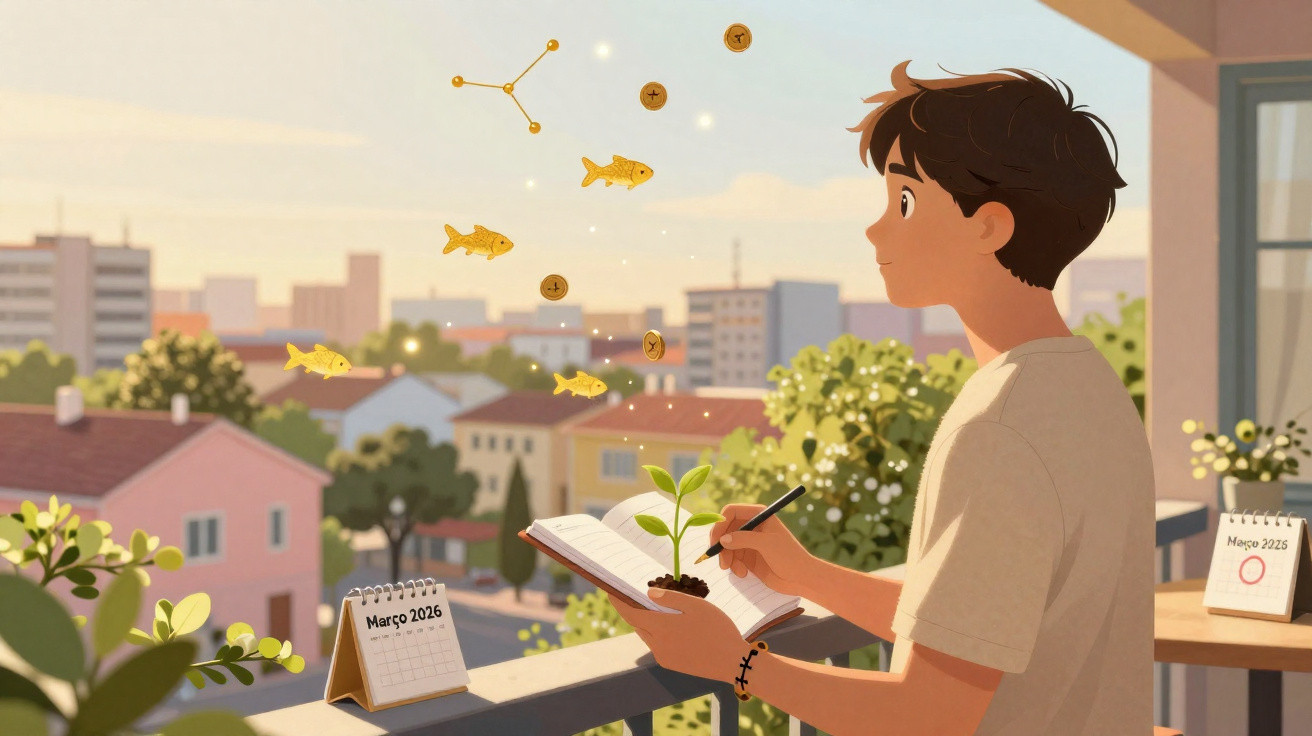
On a small balcony in a densely populated city, a young woman told me that she photographed the nova to “feel part of something bigger”. Her rent had recently increased, her father was in hospital, and she was managing three short-term contracts. “The sky doesn’t ask anything from me,” she said. “It just… shows up.” The words stay with you.
Our minds are drawn towards wonder. A nova provides an intense sense of wonder at no moral cost. You can post it, like it and discuss it without having to consider what you might sacrifice in return. A war zone or famine asks far more of us: time, money, emotional capacity and perhaps the uncomfortable prospect of changing how we live or vote.
So we withdraw into the harmless spectacle. Scientists are no more immune than anyone else. Funding bodies favour uplifting narratives, dramatic images and visible progress. Media organisations understand what attracts readers. “Ancient star explodes in glorious display” is easy to sell. “Slow, preventable crisis kills thousands” is politically messy and difficult to package as an uplifting post.
A quiet social expectation is involved, too. Knowing a constellation’s name, referring to a space mission or posting about “stardust” is seen as interesting. Admitting that you spent your evening completing a regular donation form or phoning a local shelter about winter coats is less glamorous. One feels like curiosity; the other feels like homework.
How to balance cosmic awe with grounded responsibility
There is a different approach, and it does not require giving up the joy. Begin by matching every moment of wonder with one small, practical action. Watching the nova livestream? Fine. While the presenter describes white dwarfs and hydrogen shells, open another tab and donate £5 to a crisis-relief fund you genuinely trust.
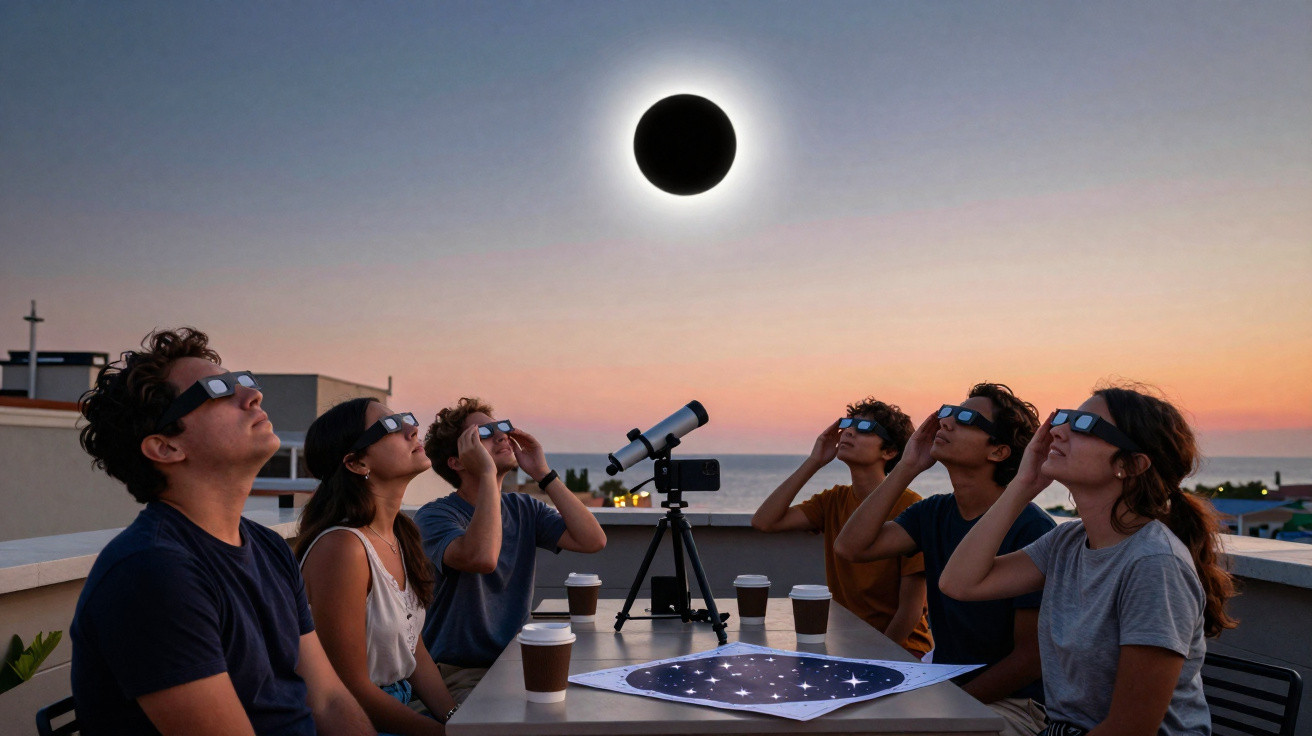
Make a stargazing evening into a modest micro-fundraiser. Invite friends to a rooftop or window, share inexpensive flasks of tea, and place a jar on the table with a QR code for a local charity. No lectures and no guilt. Just one straightforward idea: we look up, we give back.
Scientists and communicators can take this a stage further. During an enthusiastic interview, they could mention how the cost of one major telescope compares with worldwide spending on climate adaptation or healthcare. This need not be a cheap point-scoring exercise; it is a reminder that priorities result from choices, not destiny. Wonder and responsibility can occupy the same frame.
There is a trap that catches many well-intentioned people: “If I can’t fix it all, why bother?” They share the nova video, perhaps with a poetic caption, and then silently move past footage of the latest flood or bombing. The distance between cosmic romance and reality on the ground grows a little wider.
Build a different routine. For every spectacular space story you share, include one practical link in the same thread: a reputable NGO, a local mutual-aid group or a journalist working on the ground who needs support. Your feed can then become less of a sky-focused highlights reel and more like a fuller picture of the world.
And yes, you will become tired. Compassion is not an endlessly running tap. On a difficult day, you may want to mute every crisis-related term and watch Saturn time-lapses instead. That is human. The important thing is not to mistake “I need a break” for “I’m off the hook forever”. Let’s be honest: nobody truly manages this every day.
“The universe doesn’t owe us meaning,” an astrophysicist told me quietly after a public lecture packed with kids and camera flashes. “We’re the ones who decide whether our curiosity leads to care or just more pretty pictures.”
- Link awe to action: When a nova is trending, use that same momentum to draw attention to overlooked crises.
- Challenge lazy framing: Question headlines that present space as a magical escape from “downer” stories.
- Protect your empathy: Alternate between causes, take breaks and discuss burnout rather than acting as though you are a machine.
Choosing what we glorify when the sky lights up
The next nova to flare will not seek your permission. Telescopes will turn towards it, hashtags will multiply, and another wave of animations will show how stellar envelopes strip away in a final blaze. Elsewhere, a mother will refresh a government aid webpage that still reads “pending”. These timelines unfold at once, but seldom meet.
You can decide whether they remain separate.
We could regard every cosmic spectacle as a mirror reflecting our choices. If the death of a star thousands of light-years away moves us, what should we do with the grief and wonder it stirs here at home? Do we turn it into a screen-saver feeling, or into one useful act, however modest?
On a crowded rooftop, after the cameras have gone and the nova is merely another bright blur to the naked eye, quieter conversations begin. People speak about rent, war, burnout, school meals, their parents’ medication and the neighbour who disappeared after receiving an eviction notice. The sky becomes a backdrop rather than an escape route.
We have all experienced the moment when a vast, beautiful sight affects us and, almost simultaneously, we feel guilty for thinking about something else we “should” be doing. Perhaps the answer is not to crush one feeling with the other, but to let them exist alongside each other and see how they alter us. Stars explode without concern. We do not have that luxury.
| Key point | Detail | Why it matters to the reader |
|---|---|---|
| Space spectacle vs. human crisis | Novas create huge media attention while nearby suffering is pushed aside | Helps reveal how public attention is diverted |
| Pair awe with action | Connect every space event with a practical act of solidarity | Offers a simple way to act without giving up fascination |
| Rewriting the narrative | Encourage scientists, media organisations and citizens to connect curiosity with responsibility | Shows how everyone can shape the collective conversation |
FAQ:
- Is it wrong to enjoy novas and other space events? Not at all. Enjoying them becomes a problem only when they become a permanent excuse for looking away from people in genuine difficulty.
- Should science funding be redirected entirely to social issues? No. The real issue is balance and transparency: how much is spent on pure curiosity, how much on urgent survival, and who decides.
- Do astronomers personally ignore human suffering? Many are deeply engaged citizens. The criticism concerns systems and storytelling, not individual scientists being heartless.
- What can an ordinary person realistically do? Connect moments of awe with small, recurring actions: donations, volunteering, political pressure or simply amplifying voices on the ground.
- Can space science actually help people in crises? Yes. Satellite data helps with climate monitoring, disaster response and agriculture. The question is whether that practical value receives as much attention as the fireworks.
Comments
No comments yet. Be the first to comment!
Leave a Comment