
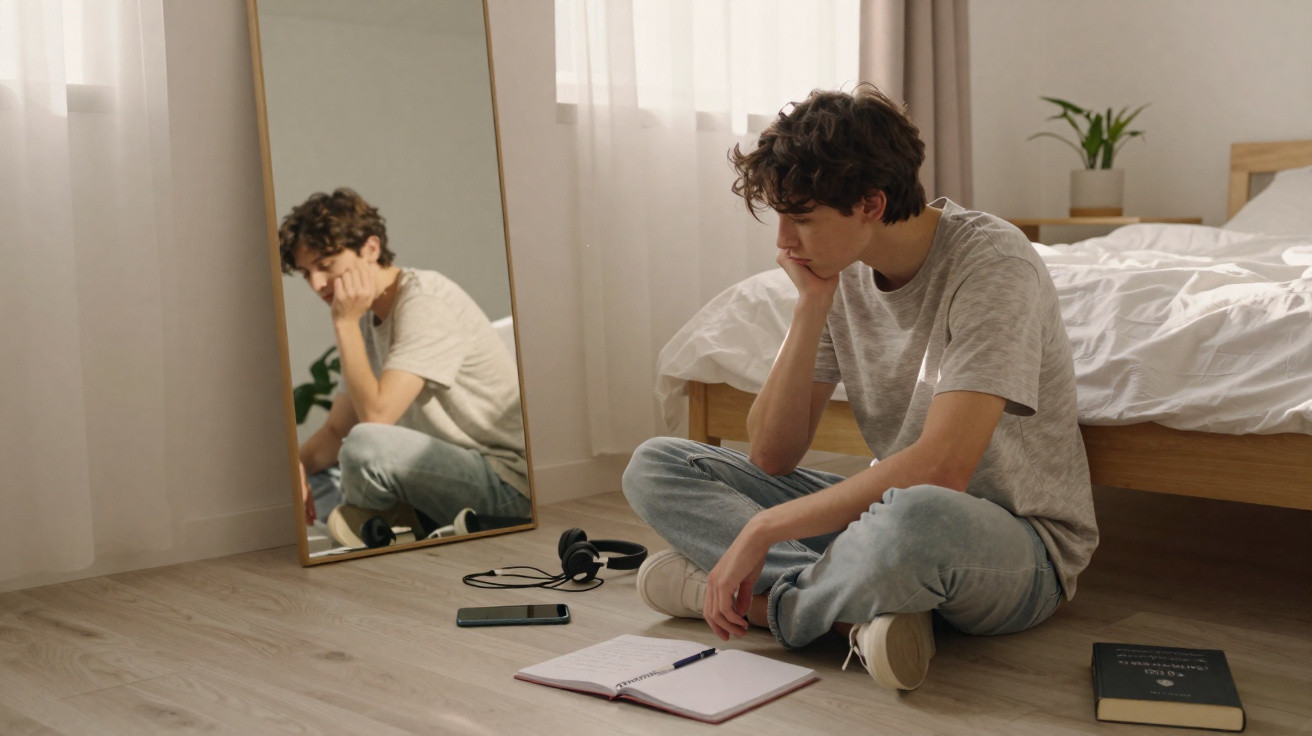
The inability to remain silent in a room exposes one of the greatest vulnerabilities of modern life. Directly confronting inner thoughts creates persistent discomfort, driving an endless search for some form of distraction in everyday life.
Why does silence cause so much discomfort?
With no external stimulation, people are compelled to face deep dilemmas and anxieties. The human mind often develops ways to avoid this moment of stillness, taking refuge in repetitive tasks to escape genuine inner introspection.
When there are no immediate obligations, the feeling of emptiness can emerge intensely. This natural unease shows how solitude itself frightens those who have not developed the healthy habit of living in harmony with themselves.
Why did Blaise Pascal link resting in a room to human suffering?
The 17th-century French thinker argued that an inability to face one’s own mind produces profound anguish… Read more
How does the search for entertainment affect the mind?
The constant effort to fill time with entertainment acts as a temporary anaesthetic. In his landmark work, Pascal called this uninterrupted pursuit of activities divertissement, portraying society’s fear of confronting existential reality.
This reliance on daily stimulation creates a continuous cycle of emotional restlessness. By avoiding pauses, people lose the chance to develop greater maturity and mental clarity about their own living condition.
Below is a video from The School of Life (Glasp) YouTube channel that explores the points discussed in this topic in greater depth:
What does philosophy teach about introspection?
Pascalian philosophy suggests that voluntary rest helps people understand human limits and desires. By accepting silence without external noise, it becomes possible to cultivate genuine balance and face feelings without an illusory escape.
Understanding this dynamic requires the courage to confront boredom without immediately turning to screens or empty commitments. Over time, this practice strengthens personal autonomy and significantly improves one’s relationship with the mind.
Pillars of Conscious Rest
Steps for practising stillness
Developing a habit of reflection requires small daily actions within one’s personal environment:
- Set aside time without electronic devices;
- Accept solitude as a space for self-knowledge;
- Observe thoughts without prior judgement.
What are the effects of a lack of rest?
An overload of stimulation and a refusal to be alone feed persistent states of anxiety. Without time for reflection, the mind becomes dependent on superficial novelties, undermining the ability to focus on what is genuinely relevant.
Moreover, a lack of silence makes it harder to consolidate ideas and mature personally. People begin to respond mechanically to events, losing control of their choices and yielding to the pressure of external agitation.
Some direct effects of having no moments of silence in daily life include:
- Increased stress and daily mental exhaustion;
- Difficulty concentrating on long-term tasks;
- Reduced capacity for self-assessment and clarity.
How can you cultivate stillness every day?
Learning to rest in a room requires practice and a gradual acceptance of silence. Starting with short periods without distractions helps build an attitude of patience, making inward contact an experience of lasting peace.
In this way, stillness ceases to be seen as a punishment and instead becomes an essential resource for wellbeing. By mastering the art of being alone, people strengthen the wisdom to live with greater serenity and purpose.




Comments
No comments yet. Be the first to comment!
Leave a Comment